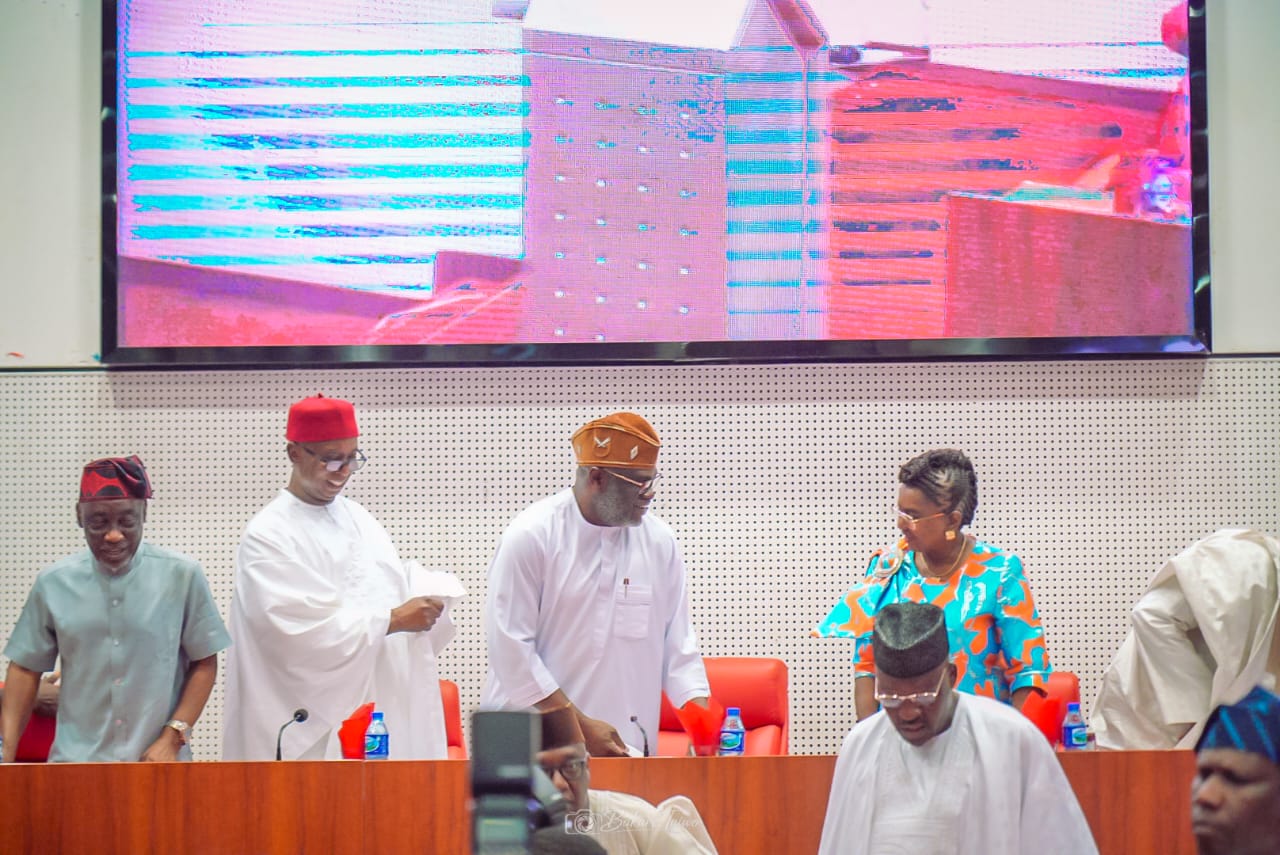
Senator Aniekan Bassey, representing Akwa Ibom North-East Senatorial District, on Thursday represented the President of the Senate, Godswill Obot Akpabio, at a high-level public hearing on two critical healthcare reform bills aimed at repositioning Nigeria’s health sector for greater efficiency, accountability and improved service delivery.
The one-day public hearing, organised by the Senate Committee on Health (Secondary and Tertiary), brought together lawmakers, healthcare professionals, regulators, academics, development partners and other stakeholders to deliberate on proposed amendments to the University Teaching Hospitals Act and the Bill seeking to establish the National Health Facilities Regulatory Agency.
Speaking on behalf of the Senate President, Senator Bassey reaffirmed the commitment of the 10th Senate to enacting transformative legislation that directly improves the lives of Nigerians, describing quality healthcare as a fundamental pillar of national development.
Senator Bassey, who is the Chairman of the Senate Committee on Diaspora and NGOs, noted that while roads, bridges and other infrastructure remain important, the health of the people is the true foundation upon which every prosperous nation is built.
“The preservation of human life is one of the highest responsibilities of government. The true measure of our progress as a nation is reflected not only in our economic indices but also in the quality, accessibility and efficiency of our healthcare system,” he stated.
He explained that the proposed amendments to the University Teaching Hospitals Act are designed to strengthen governance, improve institutional leadership and enhance accountability within Nigeria’s tertiary healthcare institutions, while the establishment of the National Health Facilities Regulatory Agency would provide a unified regulatory framework to ensure quality assurance, patient safety and compliance with best practices across health facilities nationwide.
According to Senator Bassey, the reforms will strengthen public confidence in the healthcare system, encourage greater investment in the sector and create an enabling environment for improved healthcare delivery.
He further described university teaching hospitals as centres of excellence for medical education, research and specialised healthcare, stressing that their management structures must evolve to meet contemporary realities and global standards.
“Good laws may not cure diseases, but they create the institutions that make quality healthcare possible. Through sound legislation, we can strengthen governance, promote professionalism and build a healthcare system that serves every Nigerian with dignity,” he added.
The Senator also called on all stakeholders to contribute constructively to the legislative process, urging them to rise above institutional and sectional interests in pursuit of reforms that will benefit the Nigerian people.
He paid tribute to the nation’s doctors, nurses, pharmacists, laboratory scientists and other healthcare professionals whose dedication continues to sustain the country’s health system despite numerous challenges, assuring them of the Senate’s commitment to policies that support and strengthen the healthcare workforce.
The public hearing was convened by the Senate Committee on Health (Secondary and Tertiary), chaired by Ipalibo Harry Banigo, as part of the National Assembly’s ongoing efforts to modernise Nigeria’s healthcare laws and institutions.
In another development, Senator Bassey joined the Chairman of the Senate Committee on Inter-Parliamentary Affairs, Senator Ahmed Aliyu Wadada, at an official session to approve the committee’s work plan for the fourth legislative year.
According to Senator Bassey, deliberations focused on strengthening Nigeria’s diplomatic ties and fostering collaboration with its international counterparts, with a view to “advancing our national interests, driving legislative excellence, and ensuring that Nigeria’s voice is heard and respected on the global stage.”